Passage Notes
Passage Notes
Tokyo

Tokyo

Airports
Narita (NRT) 60-90min east, Haneda (HND) 20min south
Shinkansen stations
Tokyo, Shinjuku, Shinagawa (Shinkansen)
Best months
Mar-May, Oct-Nov
Base neighbourhoods
Shinjuku (convenient), Asakusa (traditional)

Tokyo is where most visitors to Japan begin, and for good reason. Two international airports, the world’s most efficient rail network radiating outward, and enough to fill a week before you even think about leaving. The practical question is not whether to include Tokyo - it is which airport to fly into, which neighbourhood to base yourself in, and how to use the transport system without overcomplicating it.

Twenty-plus years of visiting gives a clear picture of what actually matters versus what is overhyped. The Metro map looks intimidating but you will use maybe five or six lines. The neighbourhood you choose genuinely shapes your experience. And the difference between arriving at Haneda versus Narita is the difference between being in your hotel in thirty minutes versus ninety.

Getting there

Most long-haul flights arrive at Narita (NRT) or Haneda (HND). Haneda is significantly closer to central Tokyo - roughly twenty minutes by monorail versus sixty to ninety minutes from Narita. If your airline offers a choice, Haneda wins every time. JAL’s London service uses Narita, so UK travellers on the best direct option face the longer transfer. For full routing options by origin, see our Japan country guide.

Getting around

Tokyo’s rail network is dense, punctual, and covers everywhere you will want to go. The system looks intimidating on a map but in practice you will use maybe five or six lines. Get a Suica or Pasmo IC card immediately on arrival - it works on everything and saves fumbling with tickets.

The Tokyo Metro (thirteen lines) and JR East (including the Yamanote loop) handle almost all tourist movement. The Yamanote Line connects major hubs: Shinjuku, Shibuya, Tokyo, Ueno, Akihabara. Single rides from 170 yen.

Taxis are expensive for distance but useful late at night when trains stop around midnight. First trains resume around 5am. GO is the local rideshare app. And Tokyo is more walkable than it looks - many neighbourhood explorations are best on foot, particularly Asakusa, Yanaka, Shimokitazawa, and the smaller streets of Shinjuku and Shibuya.

From within Japan

From Method Journey time Notes
Osaka/Kyoto Shinkansen Nozomi 2h 15m The flagship route. Covered by JR Pass (Nozomi excluded, use Hikari instead).
Hiroshima Shinkansen Nozomi 3h 50m Direct. Or break the journey at Osaka/Kyoto.
Sapporo Domestic flight 1h 35m ANA/JAL multiple daily. Budget option: Peach/Jetstar to Narita.
Okinawa Domestic flight 2h 40m No realistic rail alternative. Multiple daily frequencies.
Kanazawa Hokuriku Shinkansen 2h 30m Direct to Tokyo Station. Covered by JR Pass.
Where to stay

Neighbourhoods & hotels

Where you stay in Tokyo matters more than most cities. The rail network means everywhere is accessible, but your neighbourhood sets the tone for the trip. Select a neighbourhood below for detail and hotel recommendations.

NeighbourhoodBest forPrice level
ShinjukuFirst-timers, transport convenienceMid-range to high
AsakusaTraditional atmosphere, temple cultureBudget to mid-range
ShibuyaNightlife, shopping, energyMid-range to high
GinzaUpscale dining, shopping, artsHigh
UenoMuseums, culture, budget baseBudget to mid-range

Staying in Shinjuku

First-timers, transport convenience

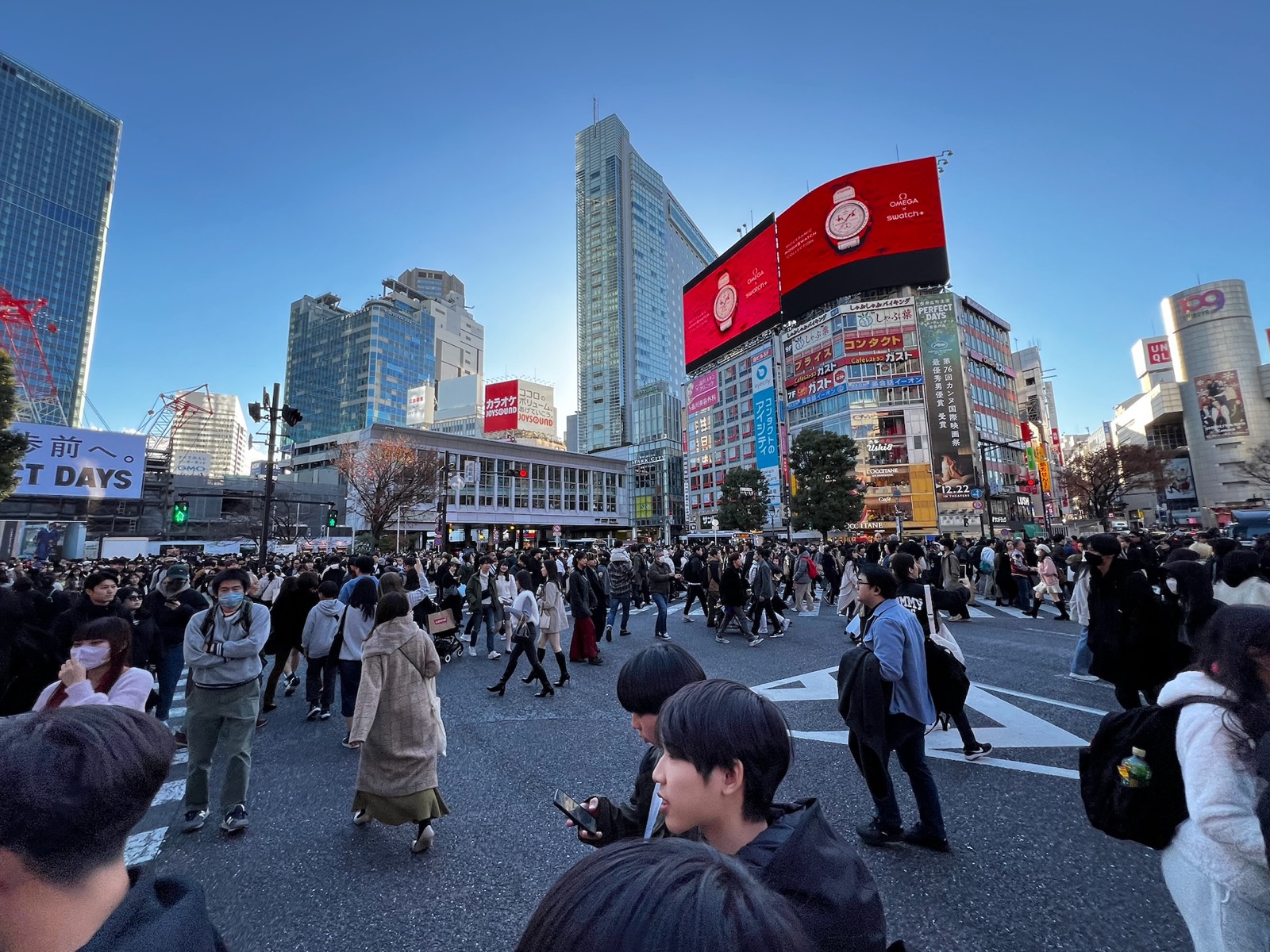
The most practical base for first-time visitors. Shinjuku Station is the busiest in the world and connects to virtually everywhere - Yamanote Line, multiple Metro lines, and the airport bus terminal. The west side has big hotels and the Metropolitan Government Building (free observation deck). The east side has Kabukicho, Golden Gai, and Omoide Yokocho. It is loud, busy, and efficient. You will not be bored.

Recommended hotels
Keio Plaza Hotel
Solid mid-range. Direct Shinjuku Station access. The south tower rooms are quieter.
Check availability →
Hyatt Regency Tokyo
West Shinjuku. Reliable quality, good transport links, slightly calmer than the east side.
Check availability →
Day trips & experiences

Worth the trip

Mount Fuji day trip
Day trip

Multiple operators run day trips from Shinjuku. The Fuji Five Lakes area is accessible by direct bus (2h). Go on a clear day or do not bother - check the forecast.

Check availability →
Kamakura & the Great Buddha
Day trip

Under an hour from Tokyo Station by JR. The Daibutsu, Hase-dera temple, and Komachi-dori street make a full day. Less touristy than Nikko.

Check availability →
Tsukiji & Toyosu market tour
Food experience

The outer market at Tsukiji still thrives. A guided food tour gives you context and access to the best stalls. Early morning start.

Check availability →
Teamlab Borderless
Art/Culture

The immersive digital art museum. Book tickets well in advance - they sell out. Moved to Azabudai Hills in 2024. Allow 2-3 hours.

Check availability →
Related guides

More on Tokyo

Tested routes

Reviews

Practical notes

Good to know

IC Cards
Get a Suica (JR) or Pasmo (Metro) at any station. They work on all trains, buses, and many convenience stores. 500 yen deposit, refundable.
Connectivity
Rent a pocket WiFi at the airport or buy an eSIM before departure. Free WiFi exists but is unreliable outside stations and convenience stores.
Cash
Japan is more cash-dependent than you expect. 7-Eleven ATMs accept foreign cards reliably. Carry at least 10,000 yen.
Language
English signage is excellent in stations and tourist areas. Google Translate camera mode handles menus and signs well.
Tipping
Do not tip. It can cause confusion or offence. Service charges are included where applicable.
Late nights
Last trains run around midnight. First trains resume around 5am. Plan accordingly or budget for a taxi.
Part of
Japan destination guide
Back to Japan →